
Personal Style Categories Are Not About Fashion Trends. They Define Your Visual Identity
Fashion can feel overwhelming. There are endless trends, opinions, and rules about what you “should” wear. As a result, many people default to copying what they see instead of defining what actually represents them.
However, personal style categories offer a different approach. They give you structure. When you understand your personal style category, you stop guessing. Instead, you begin expressing yourself with clarity and consistency. Over time, that consistency becomes recognizable. And recognition is what builds a brand.
If you want to understand how this connects to your broader system, explore Creative Direction: What It Is, Why It Matters, and How to Apply It.
What Are Personal Style Categories?
Rather than focusing on individual outfits, style categories focus on overall identity. Personal style categories are frameworks that help you identify patterns in:
- how you dress
- what you are drawn to
- how you naturally express yourself visually
This allows you to:
- eliminate trends that do not align
- refine your wardrobe
- create a consistent visual presence
When used intentionally, personal style categories become the foundation for your personal brand signature style.
Why Personal Style Categories Matter for Your Brand
Your audience processes visual information quickly. Before you speak, your style communicates:
- your personality
- your values
- your level of authority
When your style is inconsistent, your message becomes harder to interpret. When your style is aligned, your presence becomes clear. That clarity makes it easier for your audience to:
- recognize you
- understand you
- trust you
This is why personal style is not separate from branding. It is part of it.
The Core Personal Style Categories
Most people do not fall into just one category. Instead, they blend elements across categories. However, understanding each one helps you identify your dominant patterns.
CLASSIC
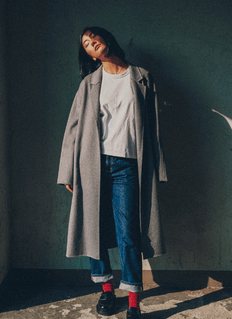
Classic style creates a sense of stability and trust.
The classic style focuses on:
- timeless, structured pieces
- simplicity
- refinement
- longevity
You may lean toward this category if you prefer:
- neutral colors
- tailored silhouettes
- minimal, polished looks
Signature items to have in your classic wardrobe are:
- A black blazer
- Button-down or collared shirts
- A leather loafer
- Nautical stripes
- Vests and cardigans
- Trouser pants
Classic style icons to get inspiration from are:
- Uzo Aduba
- Margot Robbie
- Blake Lively
- Naomie Harris
- Dakota Johnson
- Natalie Portman
Key brands to look to for classic fashion trends:
- Ralph Lauren
- Chanel
- Liz Clairborne
- Tommy Hilfiger
- Coach
FEMININE
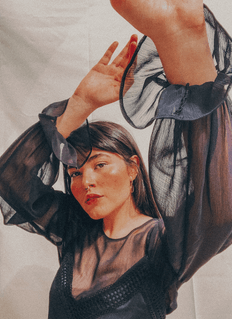
The feminine category emphasizes softness and detail.
It includes elements such as:
- delicate fabrics
- softer silhouettes
- decorative accents
You may resonate with this category if you are drawn to:
- lace
- florals
- pastels
- flowing shapes
Signature items to have in your feminine wardrobe are:
- Blouses with small cap sleeves
- Shirts, skirts, and dresses with lace trim
- Blouse and dresses with peter pan collars
- Items with small buttons and bows
Feminine style icons to get inspiration from are:
- Elle Fanning
- Keira Knightly
- Diane Kruger
- Emmy Rossum
- Rooney Mara
Key brands to look to for feminine fashion trends:
- Chi Chi London
- Kate Spade
- Revolve
- Vita Grace
- ShopBop
DRAMATIC
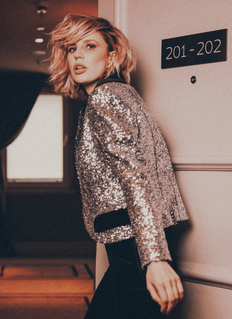
This category focuses on visibility and expression.
It includes:
- bold colors
- statement pieces
- evolving trends
You may align with this style if you enjoy:
- standing out
- experimenting
- making strong visual statements
Signature items to have in your dramatic wardrobe are:
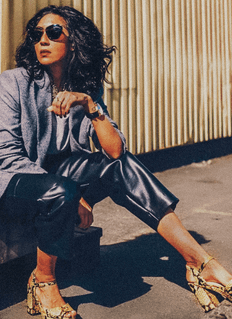
- Items with a dramatic use of color, such as neons, or black and white patterns
- Anything with sequins, velvet, satin, gold lamé, snakeskin, feathers, furs, beads, fringe
- A leather jacket (dealer’s choice on color)
- Costume-inspired items with dramatic silhouettes and lines
- Off-the-shoulder blouses and dresses
- Mini-skirts
- Bare-back dresses and tops
Dramatic style icons to get inspiration from are:
- Dua Lipa
- Lady Gaga
- Rihanna
- Janelle Monáe
- Solange Knowles
- Zendaya
- Adwoa Aboah
Key brands to look to for dramatic fashion trends:
- Alexander McQueen
- John Galliano
- Paco Rabanne
- *most brands will feature some dramatic items
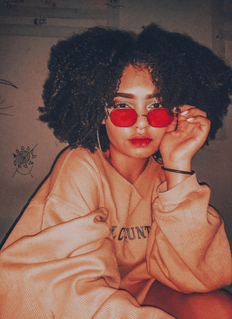
SPORTY
This category prioritizes comfort and ease.
It often includes:
- relaxed silhouettes
- functional fabrics
- minimal styling effort
You may fall into this category if you prefer:
- movement
- simplicity
- versatility
Signature items to have in your sporty/natural wardrobe are:
- Athleisure wear (anything with an elastic waistline)
- Boyfriend jeans
- Pullover styles
- Knit t-shirts with ribbed cuffs
- Puffer jackets
- Bomber/leather jackets
- Baseball hats
- Crossbody bags
Sporty/natural style icons to get inspiration from are:
- Julianne Hough
- Kelly Rowland
- Hailey Baldwin
- Selena Gomez
Key brands to look to for sporty/natural fashion trends:
- Nike
- Puma
- Adidas
- Gymshark
- Alo
- Lulu Lemon

BOHO
Boho style reflects texture, movement, and earth-inspired elements.
It often includes:
- natural fabrics
- layered textures
- flowing shapes
You may resonate with this category if you are drawn to:
- organic materials
- neutral tones
- relaxed expression
Signature items to have in your boho wardrobe are:
- Flowy skirts and shirts
- Flare jeans
- Wide-brimmed hats
- Bandanas
- Leather belts, shoes, and purses
- Floral patterns
- Corduroy
Boho style icons to get inspiration from are:
- Jhené Aiko
- Sienna Miller
- The Olsen Twins
- Zoe Kravitz
- Florence Welch
- Vanessa Hudgens
Key brands to look to for boho fashion trends:
- Free People
- Anthropology
- Christy Dawn
- For Love and Lemons
- Chloe
- Tularosa
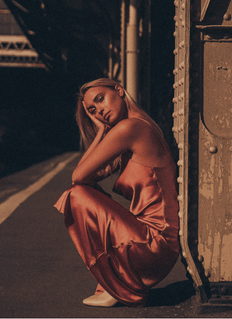
ROMANTIC
Boho style reflects texture, movement, and earth-inspired elements.
It often includes:
- natural fabrics
- layered textures
- flowing shapes
You may resonate with this category if you are drawn to:
- organic materials
- neutral tones
- relaxed expression
How to Use Personal Style Categories to Build Your Brand
Understanding your category is only the first step. The goal is to translate that understanding into consistency.
Start by identifying:
- which category feels most natural
- which elements you return to repeatedly
- which styles feel aligned with your identity
Then begin refining your wardrobe and visual presence around those patterns. This is how you move from general style to a defined Personal Brand Signature Style: How to Create Yours.
From Style to Presence
Your personal style does not exist in isolation. It shows up in:
- your photos
- your videos
- your content
- your overall presence
When your style is clear, it becomes easier to feel comfortable being seen. That is why personal style directly supports your ability to show up on camera. If you want to strengthen that connection, explore How to Feel Confident in Front of the Camera for Your Brand.
What Most People Get Wrong
Many people approach style by:
- chasing trends
- overcomplicating their wardrobe
- trying to appeal to everyone
As a result, their visual identity becomes inconsistent. Instead of building recognition, they dilute it. A strong personal style is not about variety. It is about consistency.
Final Thoughts
Personal style categories give you a starting point. They help you understand how you naturally express yourself so that you can refine and repeat it intentionally.
When you apply this consistently:
- your presence becomes recognizable
- your brand becomes clearer
- your audience connects faster
And that is what turns style into a strategic asset. Explore Brand Strategy Intensives or learn more about Retainer Partnerships to build a brand that is structured, aligned, and designed to grow.

