


Introduction: Build for Strength, Not Speed
Most brands sprint. Architects pace.
Speed gets attention; structure creates endurance. Given that the average lifespan of a company in the S&P 500 has dropped from ~61 years in 1958 to under 18 years today (IMD, 2025), building for decades instead of seasons is more urgent than ever. When you design your brand like an architect, starting with a blueprint, sequencing the build, and choosing materials that weather change, you stop reacting to seasons and start shaping decades.
This is the architect’s mindset: clarity first, structure second, expression third, so culture can compound over time.
TL;DR — From Brand to Culture
- Most brands sell products; few create culture.
- Culture begins when your why, what, and how align into one system.
- Resonance turns loyalty into community, and community into legacy.
- Every story, system, and signal becomes a cultural act.
- Brands that design for reciprocity don’t fade, they endure.
Founders Are Architects of Culture

A brand is more than a visual identity. It’s a cultural structure people move through every day, pricing that signals values, service that proves your promise, stories that shape memory. Every decision is a beam or a brick. Over time, your choices become a place people recognize and return to. Architects know brand is culture ↗.
Architects think beyond today’s weather. They design for climate, the ongoing conditions of your market, your audience’s needs, and your company’s capacity. That’s what makes a brand livable, expandable, and resilient.
Designing for Endurance, Not Hype
The Problem With Speed-First Brands
Hype-led brands look thrilling on the skyline, until the scaffolding comes down. Trend-chasing, channel-hopping, and campaign-stacking drain resources and erode trust. Over 57% of loyal customers say they spend more on brands they trust, and trust is built through consistency in every detail (Amra & Elma, 2025). The result is familiar: fatigue inside, indifference outside.
The Alternative: Depth
Depth doesn’t mean slowness; it means stewardship. It means sequencing the build so every action compounds the last. When you prioritize clarity and coherence, your investments—time, talent, and dollars—create assets, not exhaust.
Depth trades noise for narrative. It aligns daily decisions with a long view so your brand earns the right to outlast the cycle that minted it.
Brand Architecture Is the Blueprint
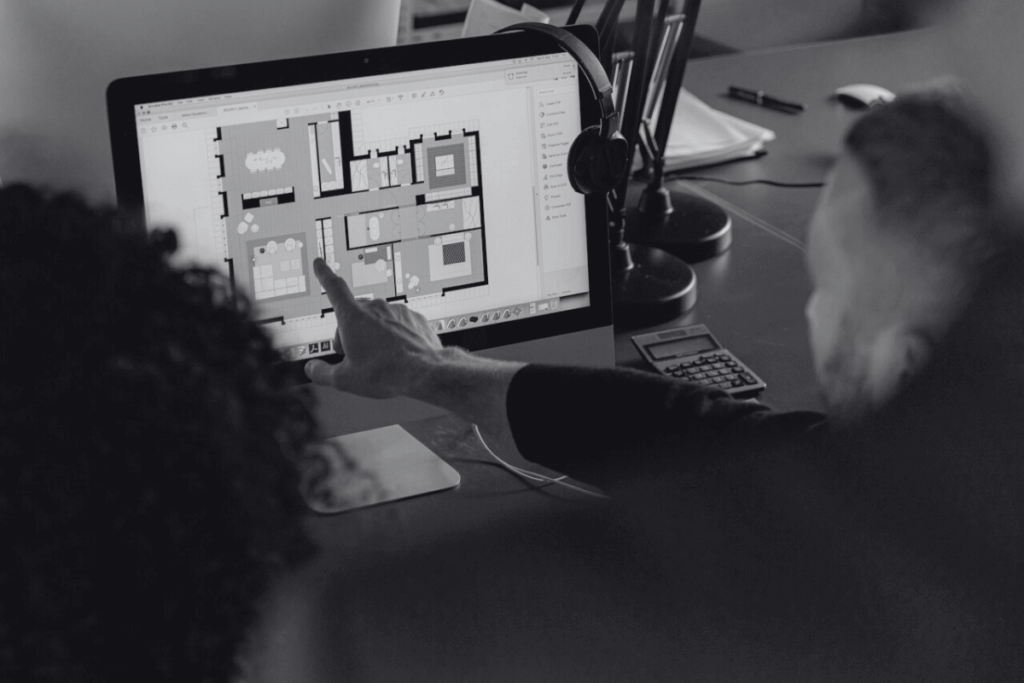
Architecture turns ideas into structures that stand. In brand building, your blueprint is simple and non-negotiable:
- Why anchors vision. Purpose clarifies the direction and the boundaries.
- What defines structure. Positioning, offers, and categories give shape and load-bearing strength.
- How creates expression. Storytelling and systems translate intention into experiences people can feel.
When Why + What are solid, How becomes amplification, not a scramble. This is the difference between a façade and a foundation, (which we outline in the Resonance Cycle framework), where purpose, positioning, and expression work together to build culture.
The Power of Resonance (The Secret Load-Bearing Wall)

Enduring brands align the brain and the heart. People justify with logic, but they decide with desire. Resonance is the sensation of “this is for me”, either because it reflects who I am now or who I’m becoming.
Archetypes function like architectural styles, timeless patterns that help people recognize and remember you. Whether you embody the Mentor, Adventurer, or Caregiver, a coherent archetype gives your stories continuity. That consistency is structural: it helps audiences predict your behavior, which is another way of saying trust.
Practical Framework: Build for Longevity
1) Lay the Foundation (Identity & Purpose)
- Inventory both literal value (skills, deliverables, proof) and abstract value (perspective, lived experience).
- Write the non-negotiables: the results you own, the standards you uphold, the costs you refuse to pass to community or planet.
- Clarify your Why so every future choice has a reference point.
Outcome: A footing that resists drift.
2) Design the Structure (Positioning & Offers)
- Define the market you serve and the difference you own inside it.
- Architect your offer suite like floors of a building, clear load paths from entry-level to flagship.
- Price to signal value and sustain quality. Your pricing is structural; it funds your promises.
Outcome: A form sturdy enough to scale.
3) Craft the Expression (Storytelling & Systems)
- Treat branding as the magnet (identity that pulls) and marketing as the megaphone (channels that project) via a brand home framework.
- Build a story system, narratives of origin (why you exist), method (how you do it), and proof (what results).
Outcome: Experiences that feel inevitable, not improvised.
4) Sustain the Culture (Community & Reciprocity)
- Design for retention first. Returning customers are the neighborhood that keeps your building alive. Especially when you consider that projected S&P 500 company lifespans may fall to ~12 years by 2027 if current patterns continue (Innosight, 2025), meaning durability is both identity and survival.
- Practice reciprocity: deliver value before you ask for more.
- Measure recognition, referrals, and return rate as core cultural KPIs.
Outcome: A living ecosystem that feeds itself.
Case-Style Inspiration: The Builder vs. The Architect
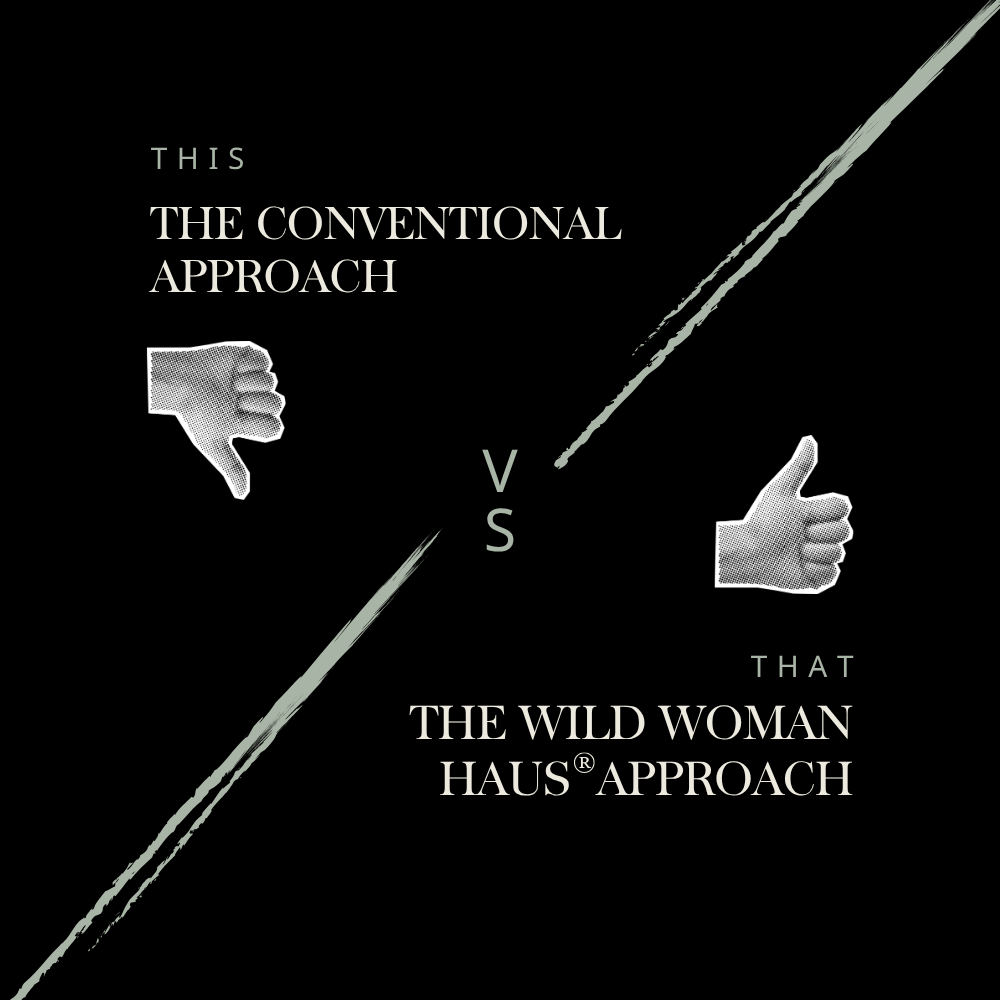
The Short-Term Builder
- Pattern: Launches reactively, shifts offers with trends, rebuilds messaging each quarter.
- What people feel: Inconsistency. “I like the vibe, but I don’t get it.”
- Trajectory: Spikes of attention, plateaus of silence. Internal burnout, external apathy.
The Architect
- Pattern: Starts with clarity, sequences channels, compounds stories.
- What people feel: Predictable excellence. “I know what they stand for, and I trust the result.”
- Trajectory: Slow, steady compounding; durable demand; community that grows by referral. Because customers tend to spend more and remain more loyal with brands they see as consistent, over 57% say they give extra business to brands they trust (Amra & Elma).
The difference isn’t talent; it’s architecture.
The Architect’s Mindset in Action
Brand A (Short-Term Builder, Reacts to Trends): Fast-beauty knockoffs, brands that always follow what’s hot (color, influencer, packaging), with little concern for long-term differentiation or supply / operation strategy.
Brand B (Architect with Blueprint, Systems-Driven, Decades Long): Lush is a good example in beauty: consistent ethical values, vertical integration in parts, sensory identity (textures, smells), strong voice in activism. That architecture has sustained their brand through many cycles.
The Architect’s Checklist
Use this quick audit when making decisions:
- Blueprint: Does this choice align with our Why (vision), our What (positioning), and our How (expression)?
- Load Paths: Will this new campaign or product stress the structure, or strengthen it?
- Materials: Are we using resources responsibly (people, money, attention), or are we burning fuel for a short-term win?
- Flex & Frame: Is our system flexible enough to adapt without breaking the frame of identity?
- Compounding: Will this action create an asset (story, system, relationship) that pays us again later?
- Cultural Test: Does this decision deepen trust with our community?
If an initiative fails two or more tests, pause. Architects don’t pour concrete in a storm.
FAQs
What is “brand architecture,” really?
It’s the structural design of your brand, how your purpose, positioning, offers, and messaging connect so the whole system holds.
Isn’t architecture just for big companies?
No. Small teams often adopt it faster. Architecture is a discipline, not a headcount.
How do I know my architecture is working?
Consistency in recognition, higher retention and referrals, and fewer internal pivots. You make fewer, better decisions, and they compound.
What if my market changes?
Good architecture anticipates change. The frame stays; the floor plan evolves. You adapt tactics without sacrificing identity.
From Business to Culture
When your brand has a blueprint, your audience knows where they are and how to move with you. That familiarity matures into trust; trust matures into culture. Architects design for culture and longevity ↗. And culture is what carries your brand across seasons, platforms, and leadership cycles.
Brands built for hype are weather.
Brands built with architecture shape the climate.
Closing: Choose the Blueprint
You can build for the quarter, or you can build for the decade. The architect’s mindset chooses the decade, without sacrificing momentum. It anchors vision, structures value, and tells stories that feel like home.
If you’re ready to trade speed for strength, and noise for narrative, start with your blueprint. Align Why → What → How, then let resonance do what it always does: pull the right people closer, again and again.
→ If you want a partner in this process, explore our Brand Strategy Intensives. We’ll map your blueprint—purpose, positioning, and story system—so your next season builds a legacy, not just a spike.

