


Introduction
In a world where brands can rise and fall overnight, what separates those that endure from those that fade? Logos, taglines, and marketing tactics may attract attention in the short term, but they don’t create legacy. Enduring brands are built on values.
At Wild Woman Haus, we believe there are three core brand values that form the DNA of every business designed to last: responsibility, resonance, and reciprocity. These aren’t abstract ideals to hang on a wall; they’re operating principles that shape every decision you make.
When lived out, these values do more than drive growth. They compound into brand as culture ↗.
Why Values Are the Foundation of Enduring Brands
From Noise to Narrative
Today’s market is noisy. Innovation without integrity and tactics without alignment lead to brands that flare up, then collapse. 84% of people say they need to share values with a brand in order to buy from it (Edelman Trust Barometer, 2024) — values act as the compass that prevents this scatter. They turn actions into narrative—something consistent, meaningful, and memorable. Values act as the compass that prevents this scatter. They turn actions into narrative, something consistent, meaningful, and memorable. But enduring values require the architect’s mindset ↗ — designing a brand intentionally so culture compounds over time.
Values as Daily Decisions
Values aren’t just words in a mission statement. They show up in how you price your services, the partnerships you choose, how quickly you respond to clients, and the way you treat your team. Every choice becomes a cultural signal.
Core Value #1 — Responsibility

Stewardship Over Hype
Brands that prioritize short-term wins often waste financial, creative, and human resources. Responsibility asks a harder question: Is this the most mindful use of what we’ve been given? Enduring brands steward their resources with care, resisting the lure of hype.
From Consuming to Recirculating
Instead of extracting value and moving on, responsible brands build systems that recirculate, creating long-term benefit for customers, communities, and industries. Profit through service becomes the guardrail.
Responsibility in Practice
- Transparent promises and pricing.
- Clear boundaries around time and energy.
- Sustainable sourcing and production.
- Decision filters that prioritize long-term alignment over quick wins.
Core Value #2 — Resonance

Why Emotion Outlasts Features
Customers may compare features, but decisions are driven by feeling. Customers emotionally tied to brands have ~306% higher lifetime value than those who aren’t (Amra and Elma LLC). Resonance is what makes someone say, This brand is for me. It transforms a product into part of their identity.
Identity & Archetypes
Archetypes, universal patterns of human desire like freedom, mastery, or belonging, help brands connect deeply. When your brand embodies one, it doesn’t just sell; it resonates with who people are and who they want to become.
Resonance in Practice
- A consistent brand voice that feels familiar across platforms.
- Story pillars that repeat core messages in memorable ways.
- Proof moments, testimonials, case stories, that affirm promises.
- Experiences and visuals that anchor emotional memory. Resonance lives in expression, see how to turn strategy into storytelling ↗.
Core Value #3 — Reciprocity

Give Before You Ask
Reciprocity is the natural human instinct to return what we’ve received. When brands lead with generosity, resources, insights, access, they earn permission to deepen the relationship.
Retention as Proof
Revenue doesn’t come primarily from first-time buyers, it comes from those who return. Reciprocity is what keeps people coming back, sharing, and inviting others in. Emotionally engaged customers are 82% more likely to remain loyal and become brand advocates compared to purely transactional customers (OpenLoyalty / Deloitte) — reciprocity isn’t just nice, it’s fundamental to sustaining culture.
Reciprocity in Practice
- Lead capture with genuine value, not empty promises.
- Thoughtful welcome sequences and check-ins.
- Opportunities for feedback and co-creation.
- Recognition of loyal clients through features or rewards.
How the Three Values Work Together
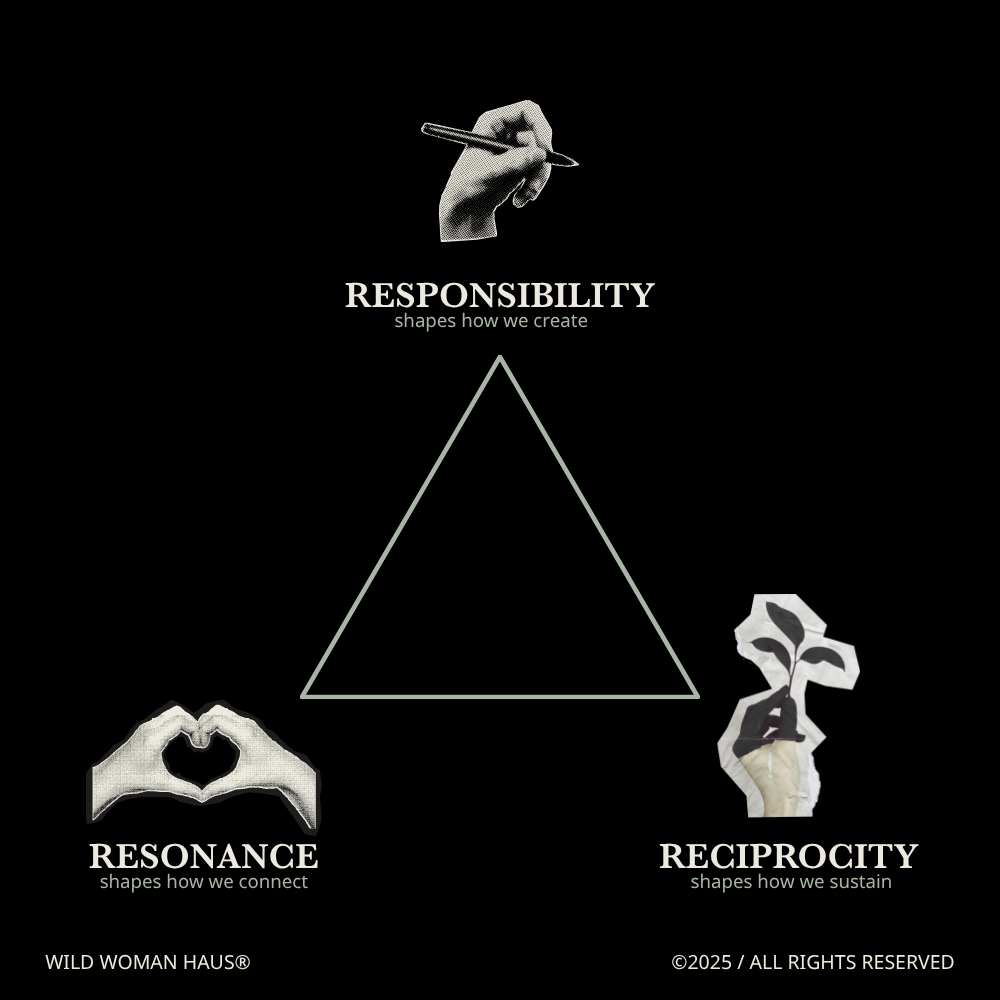
The Operating Triangle
Responsibility shapes how we create.
Resonance shapes how we connect.
Reciprocity shapes how we sustain.
Together, they move a business from fragile transactions to enduring movements. These three values are at the heart of the Resonance Cycle framework ↗.
From Transaction to Movement
A product can spark a sale. A service can spark loyalty. But values create culture, the kind of culture that turns a brand into a community, and a community into a legacy.
Practical Lenses — Where Values Show Up
- Messaging & Language: Is your tone aligned with your values?
- Pricing & Packaging: Does your structure signal access, fairness, or exclusivity?
- Service & Delivery: Do your processes build trust, or erode it?
- Design & Environment: Does your digital and physical presence embody your values?
- Partnerships & Platforms: Who you align with reflects what you stand for.
Every touchpoint is a cultural signal.
The Concentric System (Home → Surrounding → Amplification)
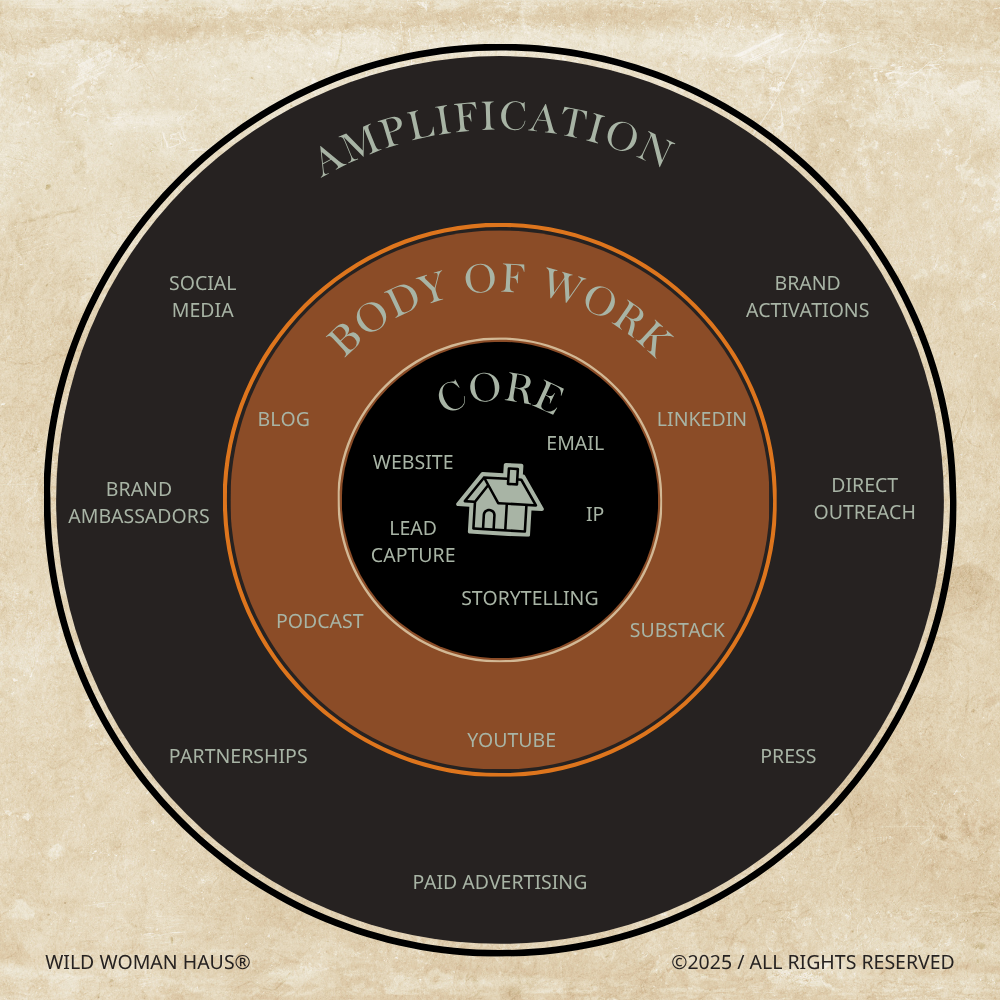
Home (Website, Storytelling, Lead Capture, Email)
Your brand’s home is where responsibility, resonance, and reciprocity are most visible. It’s the anchor that sustains every other effort.
Surrounding (Blogs, YouTube, Podcasts, Substack)
Long-form content deepens discovery and authority while reinforcing values.
Amplification (Social, Partnerships, Press, Activations)
Social and partnerships can amplify your story, but only if the home is strong and aligned.
Why Resonance Outlasts Reach
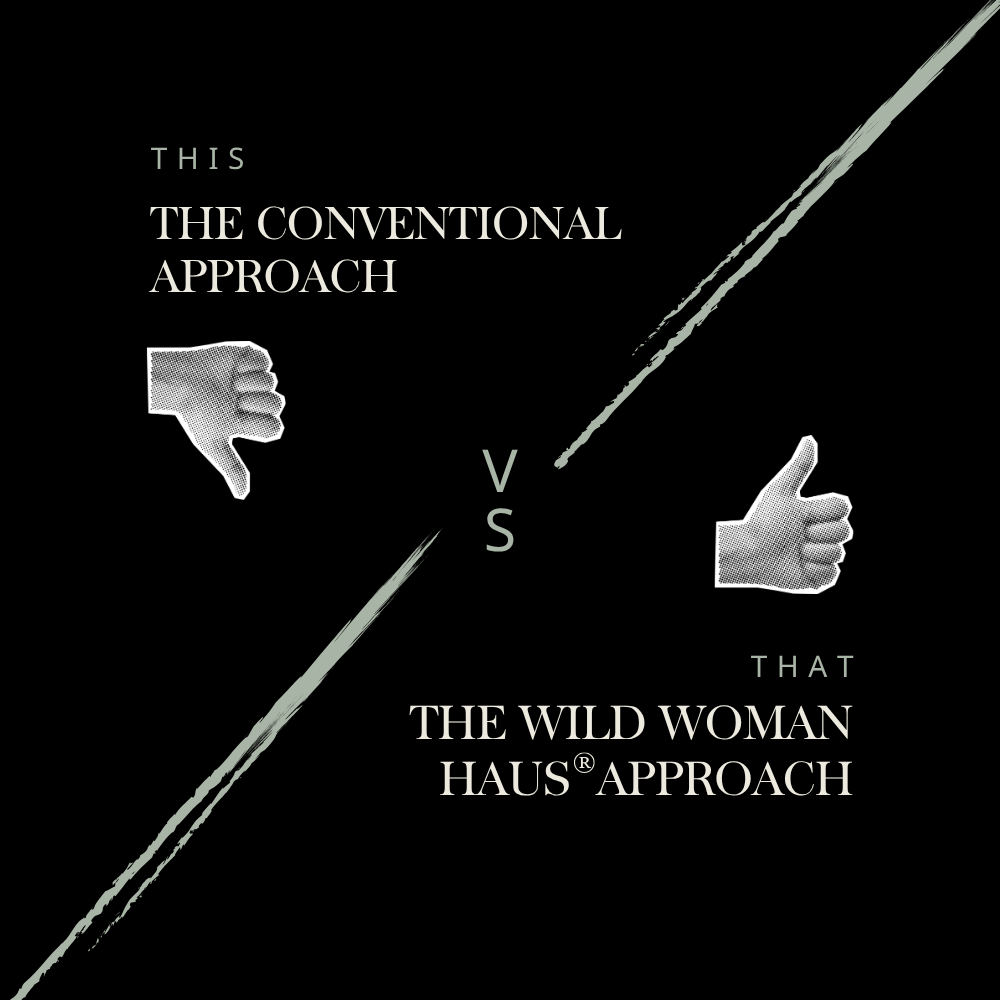
Brand A (Big Ad Spend, Low Memory): Clean beauty labels who flood ads on Instagram but reuse generic messaging, impressions are high, but recall and loyalty are low.
Brand B (Identity + Resonance, Loyalty): Drunk Elephant made its “Suspicious 6” philosophy central. It didn’t just avoid certain ingredients, it educated its audience, created philosophy-based language, and built trust. The payoff? Highly devoted fans who see DE not just as another skincare line but a regimen because of identity.
Checklist — Are These Values Alive in Your Brand?
- Do we apply a responsibility filter before big decisions?
- Where does our brand create resonance beyond features?
- How do we practice reciprocity consistently?
- Are retention and referrals increasing, and do we know why?
- Do our pricing, promises, and partnerships align with our values?
- Is our website and messaging a clear home for our values?
30-Day Activation Plan (Values → Operations)

- Week 1 — Responsibility Audit: Review pricing, sourcing, accessibility.
- Week 2 — Resonance Framework: Define archetype, story pillars, proof moments.
- Week 3 — Reciprocity Systems: Refresh lead magnet, build feedback loops, nurture retention.
- Week 4 — Home + Distribution: Strengthen website clarity, publish long-form content, repurpose into micro-stories.
FAQs
Are these values only for “mission-driven” brands?
No. They’re for any brand that wants longevity, not just profit spikes.
How do I measure if values are working?
Look at retention, referrals, and community engagement, beyond clicks.
What if my team isn’t aligned yet?
Start with clarity. Document the values, share them, and model them in action.
Can I recover after hype-driven missteps?
Yes. Responsibility means owning mistakes and recommitting to alignment.
What’s the first move if I’m overwhelmed?
Audit one value at a time. Begin with responsibility, it grounds the rest.
Conclusion
Responsibility, resonance, and reciprocity are not buzzwords. They’re the DNA of enduring brands, the difference between businesses that fade and those that build legacies.
Ask yourself: which value is strongest in your brand today, and which needs more attention?
When you lead with these three, you don’t just build a business, you build culture. See these values applied in action in our brand case studies ↗.
→ Ready to anchor your brand in values that last? Explore our Services Guide or book a Discovery Call with Wild Woman Haus.

