
The Hospitality Branding Challenge: When the Property Is No Longer the Whole Business
Hospitality branding becomes a different kind of strategic challenge when the business you’re building is no longer defined by the property itself. A beautiful property can attract attention. But what happens when the vision extends beyond the physical space?
That was one of the central strategic questions behind our work with Najil Chak Tulum Art Residence.
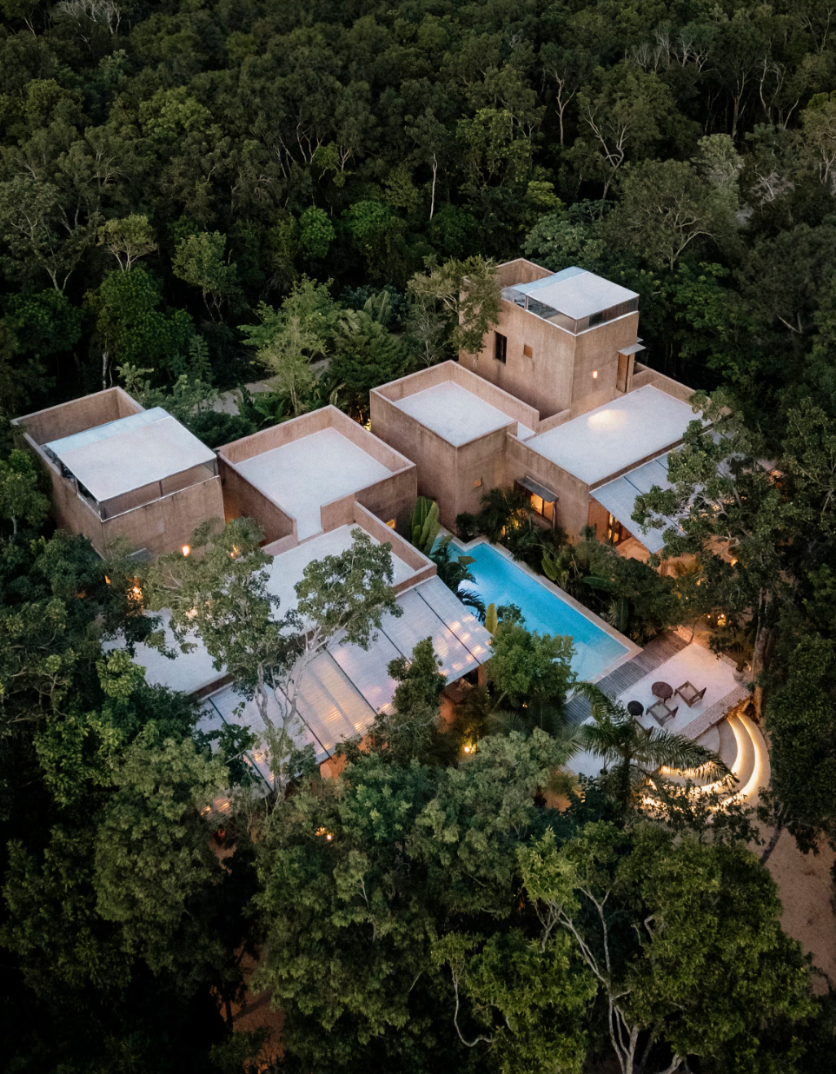
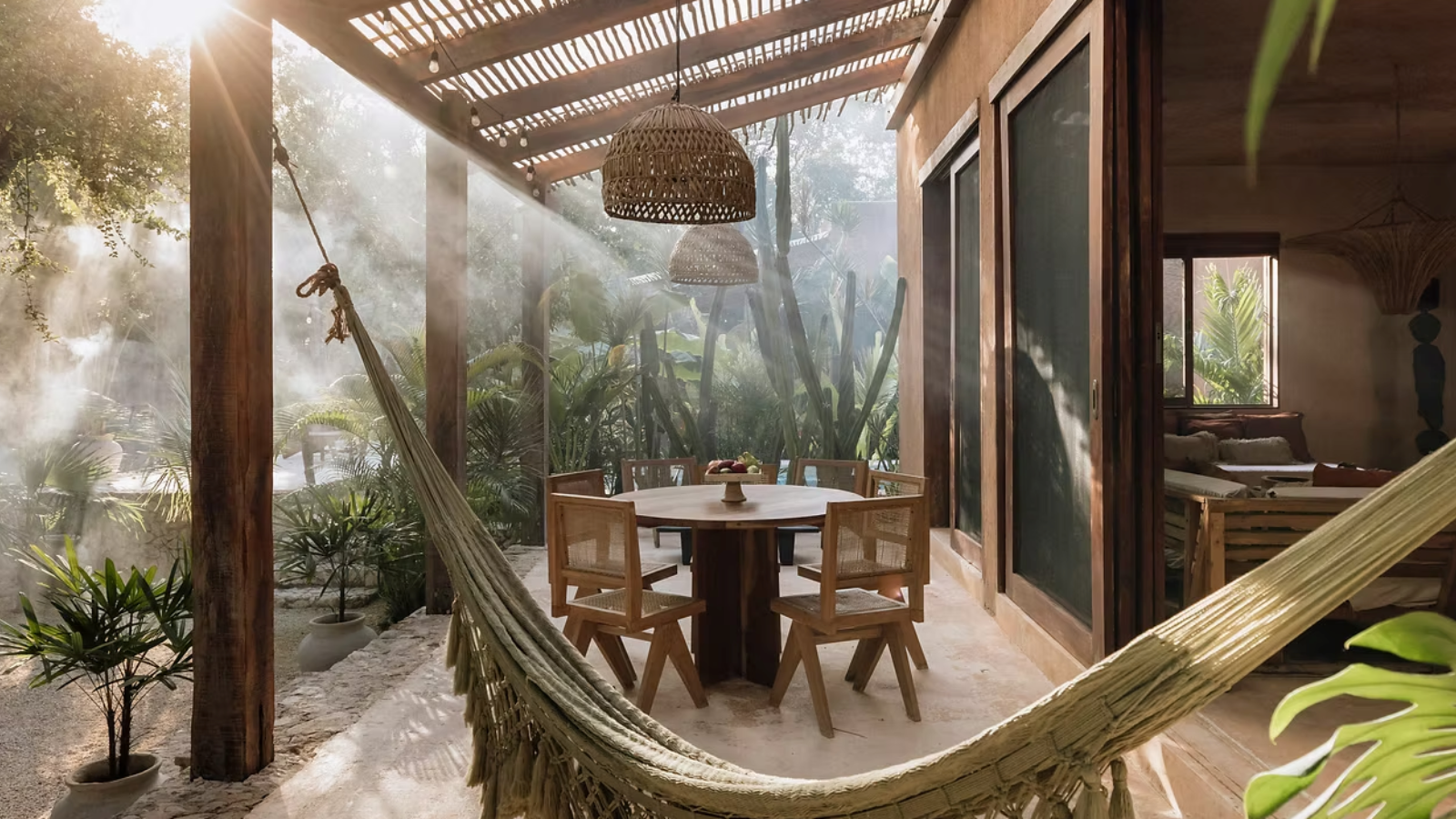
Situated in Tulum, Mexico, Najil Chak had established itself as a distinctive destination for private stays, weddings, and intimate celebrations. Its architecture, natural surroundings, and connection to art and culture gave the property a recognizable character within an increasingly competitive hospitality market.
But founders Frankie Wall and Karen Gutiérrez were envisioning something beyond the property’s existing commercial model. They wanted Najil Chak to become a destination for culinary retreats, cultural immersion, creative collaboration, and experiences that gave people new reasons to engage with the residence.
And that introduced a different kind of brand challenge.
Because there’s a meaningful distinction between having a beautiful place where experiences can happen and building a business that is recognized for the experiences it creates. The first is largely about the property. The second requires a broader strategic foundation.
It requires clarity about the different businesses operating under one brand, the audiences each offering serves, the value those audiences are purchasing, and the commercial infrastructure needed to support them.
That became the foundation of our work.
Client Overview:
- Primary Topic: Hospitality Branding & Brand Strategy
- Client: Najil Chak Tulum Art Residence
- Location: Tulum, Mexico
- Brand Channels:
- Instagram – https://www.instagram.com/najilchak
- TikTok – https://www.tiktok.com/@najilchak
- Website – https://www.najilchak.com/
- Industry: Hospitality, Cultural Experiences & Destination Retreats
- Niche: Eco-tourism / Experiential Hospitality / Art Residence
- Business Type: Hospitality & Experience-Based Business
- Original Engagement: 2025
- Project Scope:
- Brand Discovery
- Brand Positioning
- Business Development Strategy
- Website Strategy & SEO
- Content Marketing
- Email Marketing
- Social Media Strategy
- Retreat Sales Development
- Creative Direction
- Experiential Branding
- Event Production Support & Team Training
Hospitality Branding Strategy: From Luxury Property to Experience-Led Brand
Wild Woman Haus® partnered with Najil Chak to help translate its founders’ expanding vision into a more cohesive business and brand strategy. The objective wasn’t to replace the hospitality business that already existed. It was to create a stronger strategic architecture around it.
One capable of supporting private stays, weddings, retreats, cultural programming, and creative collaborations without reducing Najil Chak to a disconnected collection of offerings.
This distinction matters.
A guest booking a private residence is making a different decision from a facilitator selecting a venue for a retreat. And both are making different decisions from someone considering a culinary or cultural experience. They may all encounter the same brand. But they aren’t necessarily purchasing the same value.
Our work therefore began with a more consequential question than how to market Najil Chak: What kind of business was Najil Chak becoming, and what would its brand need to represent to support that evolution? That question informed the strategy, commercial development, marketing systems, and experiential work that followed.
Together, we worked to:
- Clarify the relationship between Najil Chak’s established hospitality offerings and its emerging experience-based business.
- Develop positioning and growth priorities for culinary retreats and cultural programming.
- Distinguish the needs of guests, retreat facilitators, event clients, and creative collaborators.
- Translate the strategic direction into website, SEO, content, email, and social media resources.
- Develop commercial materials that could communicate and support the retreat offerings.
- Bring the experiential direction into physical environments through creative production and live programming.
- Establish resources and workflows the founders could continue using beyond our engagement.
The larger goal was to help Najil Chak build a brand capable of representing more than the physical space it occupied. For us, this is where hospitality branding becomes especially valuable: when the strategy needs to support not only what a destination offers today, but what the business is becoming.
The Wild Woman Haus® Experience
Phase 1: Building a Hospitality Branding Strategy Beyond the Property
The first stage wasn’t about deciding what Najil Chak should post on Instagram. It was about understanding what the business needed to become.
At the time of our engagement, Najil Chak already operated within several overlapping areas of hospitality. The residence served private guests, the property accommodated weddings and special events, and the founders were developing new opportunities around retreats and curated experiences.
Each offering had value. But they didn’t all serve the same customer, solve the same problem, or require the same commercial approach. That created an important strategic distinction.
Najil Chak wasn’t simply expanding its list of services. It was developing multiple business opportunities within one overarching brand. This is where hospitality branding becomes a question of business architecture, not simply brand expression.
One brand. Three distinct commercial pillars.
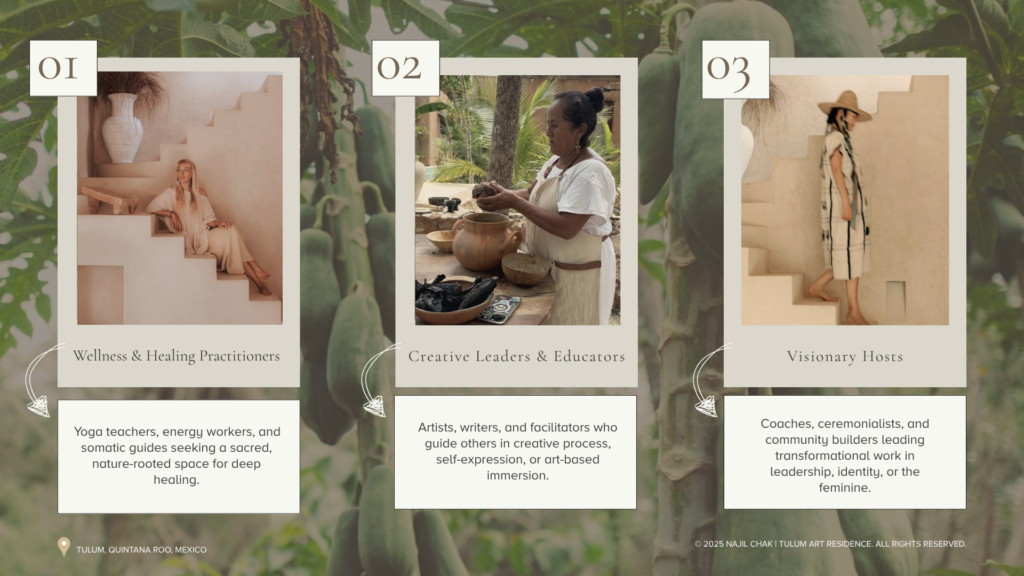
Through brand discovery and strategic development, Wild Woman Haus® organized Najil Chak’s business around three complementary pillars:
Pillar 1 – The Residence – The property’s established hospitality offering, centered on private stays and the experience of occupying Najil Chak’s distinctive environment.
Pillar 2 – Weddings & Special Events – Destination celebrations, intimate gatherings, and event-based uses of the property.
Pillar 3 – Retreats & Experiences – An emerging business priority focused on culinary retreats, cultural immersion, wellness experiences, and creative programming.
The purpose wasn’t to separate these into three unrelated brands. It was to make their individual roles clearer while preserving the identity that connected them. This is where brand architecture becomes essential. As a business expands into new offerings and audiences, it needs a structure that allows those opportunities to develop without fragmenting the identity connecting them. For Najil Chak, that meant establishing a clearer relationship between its hospitality, event, and experiential businesses under one recognizable brand. This matters because a business can offer several things without having a coherent strategy for how those things belong together.
And when that relationship isn’t clear internally, it becomes harder to communicate externally.
Finding the opportunity beyond the venue
Within Retreats & Experiences, two areas emerged as strategic priorities.
The first was culinary retreats.
Najil Chak’s setting and cultural context created an opportunity to develop experiences involving Mexican and Maya foodways, culinary practitioners, hands-on learning, and meaningful engagement with the destination.
The second was immersive cultural programming.
Rather than relying exclusively on the property’s availability as a rental venue, Najil Chak could explore programming that gave people specific reasons to visit, participate, collaborate, and return. This shifted the strategic conversation.
Instead of asking only: How do we attract more people to book the property?
We could also ask: What experiences could Najil Chak become known for creating?
Those questions lead to different decisions about positioning, partnerships, marketing, and customer experience. And that distinction would shape the work that followed.
Phase 2: Translating Hospitality Branding Into the Digital Experience
Once the business architecture became clearer, another challenge emerged. How would prospective customers understand it? Hospitality branding doesn’t end with a visual identity. It also influences how prospective guests understand the business before they ever arrive.
A hospitality website often carries a deceptively complicated responsibility. It needs to communicate atmosphere and desirability while also helping people understand what they can actually book, experience, or create.
For Najil Chak, that responsibility was becoming more complex.
The website needed to support an established residence and event business while making room for retreats, cultural programming, and new forms of collaboration. Simply adding more pages or promotional content wouldn’t necessarily solve the problem.
The underlying structure needed to reflect the business itself. Effective hospitality branding needs to make the business understandable before it can make the experience desirable.
Translating positioning into the digital experience
Wild Woman Haus® evaluated Najil Chak’s website through the lenses of brand positioning, customer experience, information architecture, SEO, and commercial communication.
The work included a website audit, strategic improvement recommendations, keyword-rich content guidance, and direction for organizing the property’s offerings more clearly. We also developed a website SEO improvement plan and recorded walkthroughs to help the team understand how to apply the recommendations.
The objective wasn’t merely to make the website more visually appealing. It was to help the digital experience communicate the business Najil Chak was becoming.
Building an editorial system with a purpose
Content presented a related challenge. Najil Chak had access to an unusually rich range of stories: architecture, art, hospitality, cultural traditions, culinary experiences, retreats, and the creative people involved in bringing those experiences to life.
But having interesting things to talk about isn’t the same as having a content strategy. A useful editorial system needs to connect those stories to audience interests, search behavior, and business priorities.
WWH developed a blog strategy organized around seven editorial categories, supported by keyword guidance, reusable templates, planning resources, and content development workflows.
We also developed a culinary retreat article through multiple editorial iterations and provided training on using AI-assisted tools to support future content creation.
The larger principle was straightforward: The website and content shouldn’t simply describe the property. They should help people understand the different ways they could become part of its world.
That required more than attractive language. It required strategic organization.
Phase 3: Building a Connected Hospitality Marketing Strategy
The next challenge wasn’t a lack of marketing opportunities. It was making those opportunities work together.
Najil Chak had multiple audiences, evolving offerings, and several channels through which people could discover the brand. But those channels needed clearer roles within the larger business strategy.
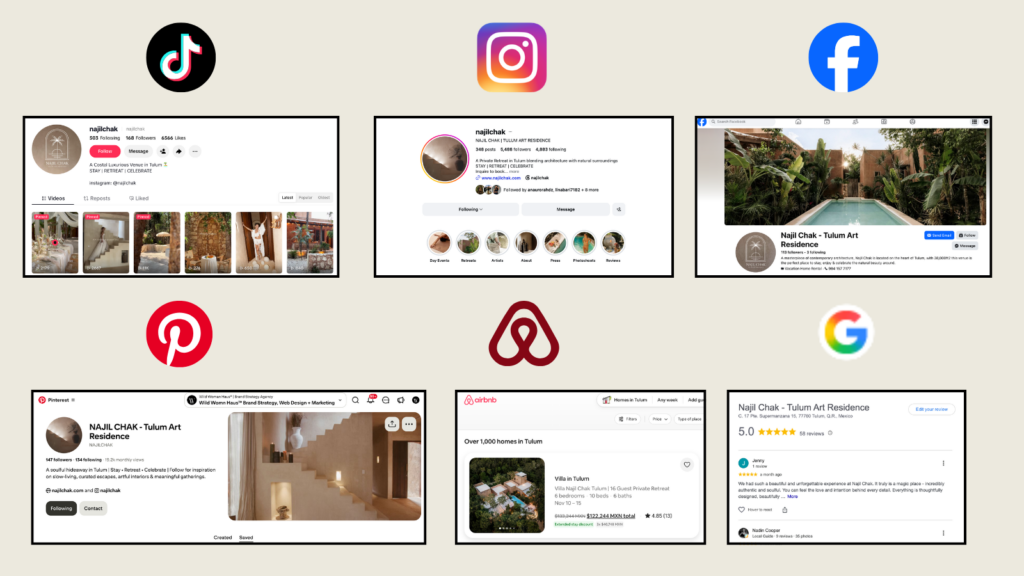
- Instagram could introduce the atmosphere of the property.
- Pinterest could support visual discovery.
- Editorial content could provide deeper context around retreats, culture, and experiences.
- Email could create opportunities to maintain relationships with people who had already expressed interest.
Individually, each channel served a purpose. The opportunity was to develop a more connected system. A sustainable marketing engine depends on these channels working together rather than competing for attention and resources. For Najil Chak, the opportunity was to connect visual discovery, editorial storytelling, and audience-specific email communication into a more intentional system that could support its evolving business priorities. For hospitality branding to build recognition over time, each channel needs to reinforce a consistent position rather than operate as a separate marketing exercise.
Different audiences require different conversations
One of the most important distinctions involved email marketing. Someone interested in attending a culinary retreat shouldn’t necessarily receive the same communication as a facilitator considering Najil Chak as a host venue.
Their motivations are different. Their questions are different. And the decision they’re considering is different.
WWH developed audience segmentation frameworks, Mailchimp workflows, and campaign resources intended to support more relevant communication.
This included an 11-email culinary retreat campaign, along with guidance for organizing contacts, developing email sequences, and addressing website-to-email integration challenges. We also worked directly with the Najil Chak team on contact management and segmentation.
Developing platform-specific marketing strategies
WWH created Instagram and Pinterest strategies supported by multi-month content calendars and practical production guidance.
Rather than treating every platform as another place to publish the same content, the strategies considered the role each channel could play in discovery, storytelling, and audience development. The work also included reusable AI-assisted workflows to support future planning and content creation.
This wasn’t about replacing the founders’ creative judgment with automation. It was about giving the team more structure around recurring marketing decisions. Because as a business expands, its marketing can become increasingly difficult to manage if every campaign, post, or email requires starting from scratch.
A stronger system doesn’t eliminate creative work. It creates more room for the creative work to be intentional.

Phase 4: Hospitality Brand Positioning Beyond the Venue
The Retreats & Experiences pillar introduced another strategic challenge.
Najil Chak wasn’t speaking to one retreat customer. It was speaking to at least two. The first was the person considering attending a retreat. The second was the person considering hosting one.
Those audiences might be interested in the same destination, but they weren’t evaluating the same offer. This is where hospitality branding intersects with commercial strategy: the same destination can represent different kinds of value depending on who is making the decision.
A retreat participant wants to understand the experience.
- What will I do?
- What will I learn?
- Who will I connect with?
- Why is this worth traveling for?
A retreat facilitator is asking a different set of questions.
- Can this property support the experience I want to create?
- How does it fit my audience?
- What makes it different from other destinations?
- How can I confidently present it to prospective participants?
Trying to answer both sets of questions with one generic presentation would dilute the value proposition for each.
Two audiences. Two distinct sales narratives. Wild Woman Haus® developed two fully designed retreat presentations.
Presentation 1 – Culinary Retreats & Experiences – A presentation designed to communicate the culinary retreat concept through its proposed programming, cultural context, destination experience, and guest-facing value.

Presentation 2 – Host Your Own Luxury Jungle Retreat – A separate presentation developed for facilitators and retreat leaders considering Najil Chak as the setting for their own experiences.

WWH led the strategic structure, messaging, copywriting, and design of both presentations. The distinction between them was more consequential than a change in wording.
One presented Najil Chak as the creator of an experience. The other presented Najil Chak as a potential partner in someone else’s experience. That difference affects what the brand needs to promise, what information it needs to provide, and how the commercial conversation unfolds.
We also developed a proposed Brand Ambassador Program and supporting outreach resources to explore how relationships and collaborations could contribute to future growth.
The larger strategic shift was from treating retreats as another possible use of the property toward developing them as differentiated commercial offerings.
A venue gives people somewhere to gather. A well-positioned experience gives them a reason to gather there.
Phase 5: Experiential Hospitality Branding — Bringing the Brand to Life
This is where the work moved beyond positioning documents, websites, and marketing systems. Hospitality branding has a dimension that many other categories don’t. This is where the work moved beyond positioning documents, websites, and marketing systems. Hospitality branding has a dimension that many other categories don’t: people physically enter the brand.
They move through its spaces. They interact with its collaborators. They encounter its lighting, music, materials, programming, and atmosphere.
They encounter its lighting, music, materials, programming, and atmosphere. In experiential hospitality branding, the environment itself becomes one of the ways a business communicates what it stands for.
And those details shape what they remember.
For Najil Chak, the Wabi Sabi Series provided an opportunity to explore how its evolving brand direction could become something people experienced rather than simply something they read about.
Developing the Wabi Sabi Series
The series centered on themes of ritual, creativity, imperfection, and connection.
WWH supported its development through an integrated collection of marketing and creative resources, including a designed presentation, landing-page copy, promotional blog content, email nurture materials, social media planning, and an Elemental Ritual Guide.
The goal was to establish a coherent story around the experiences before audiences encountered them in person. But the work didn’t end with the campaign.
The Art of Water: Creating the visual world
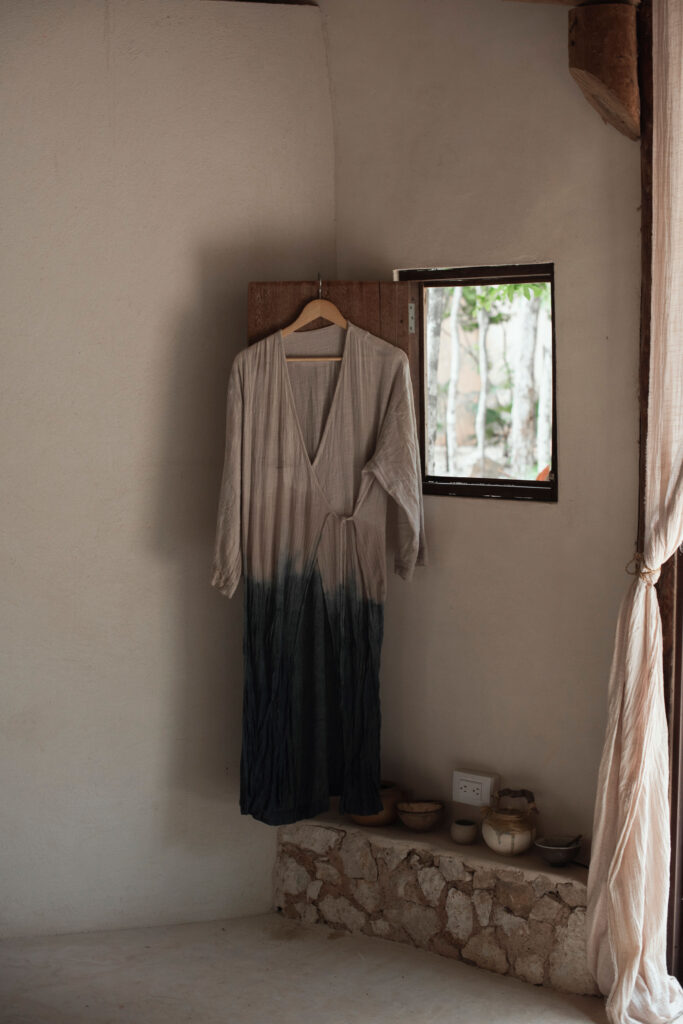
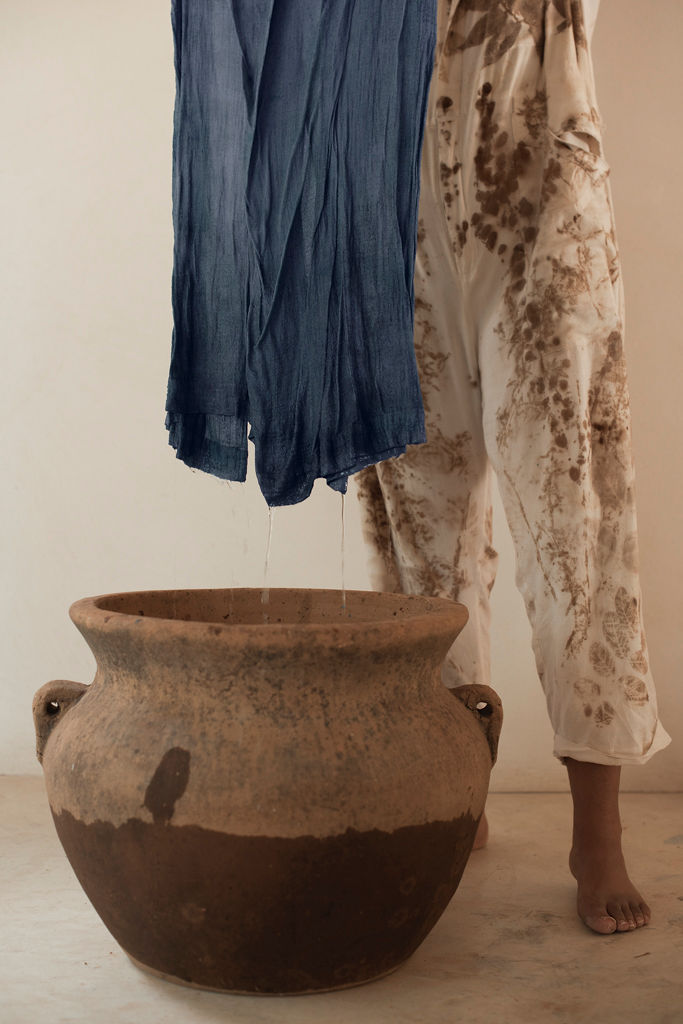



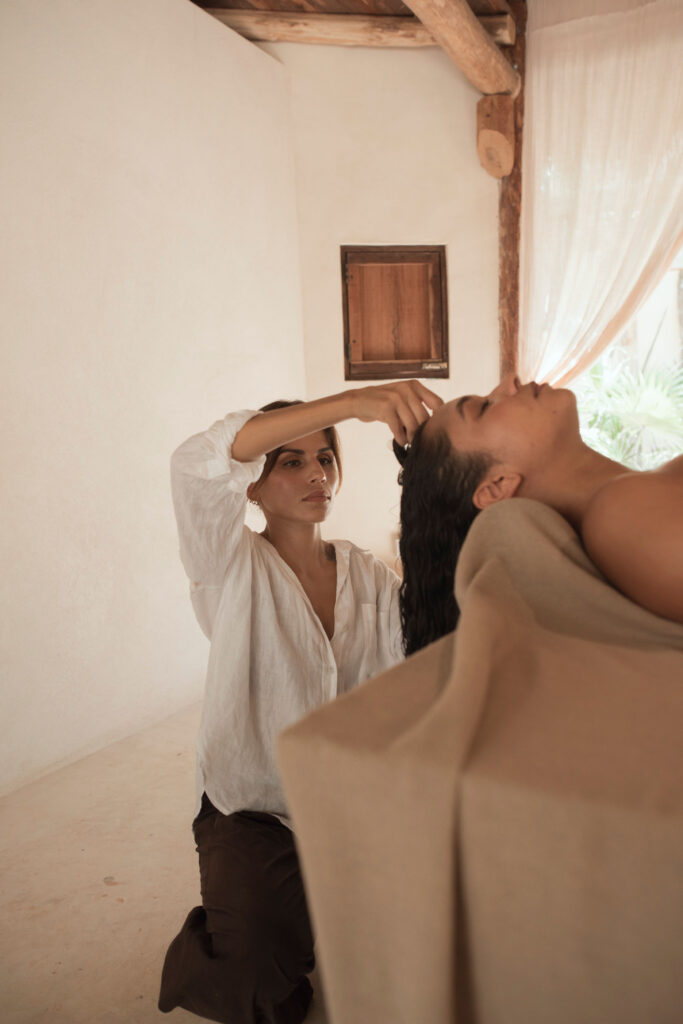
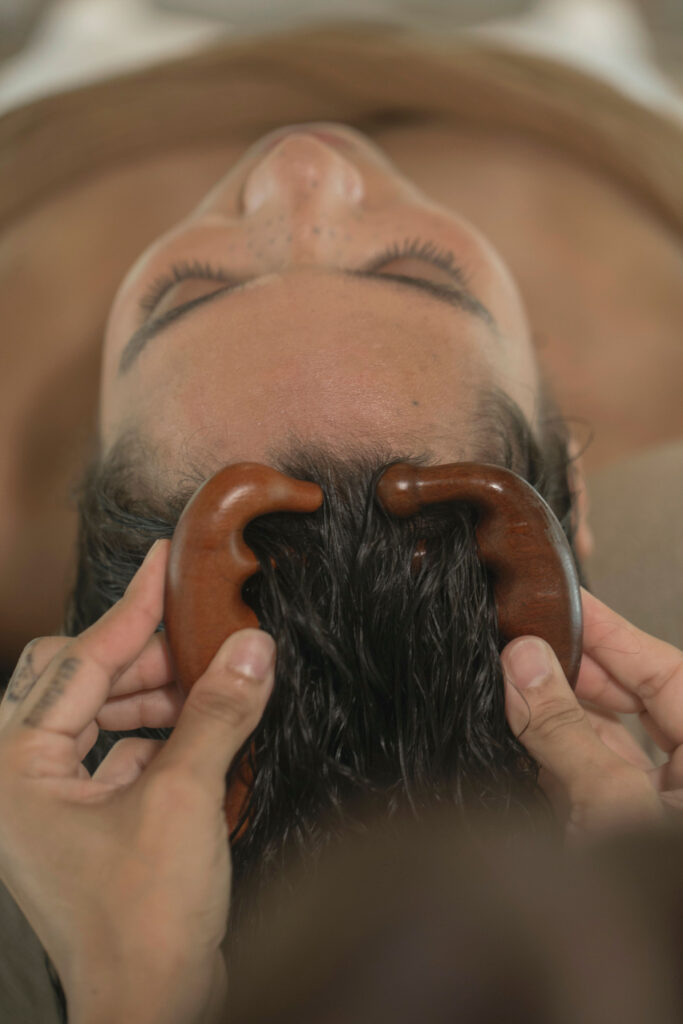
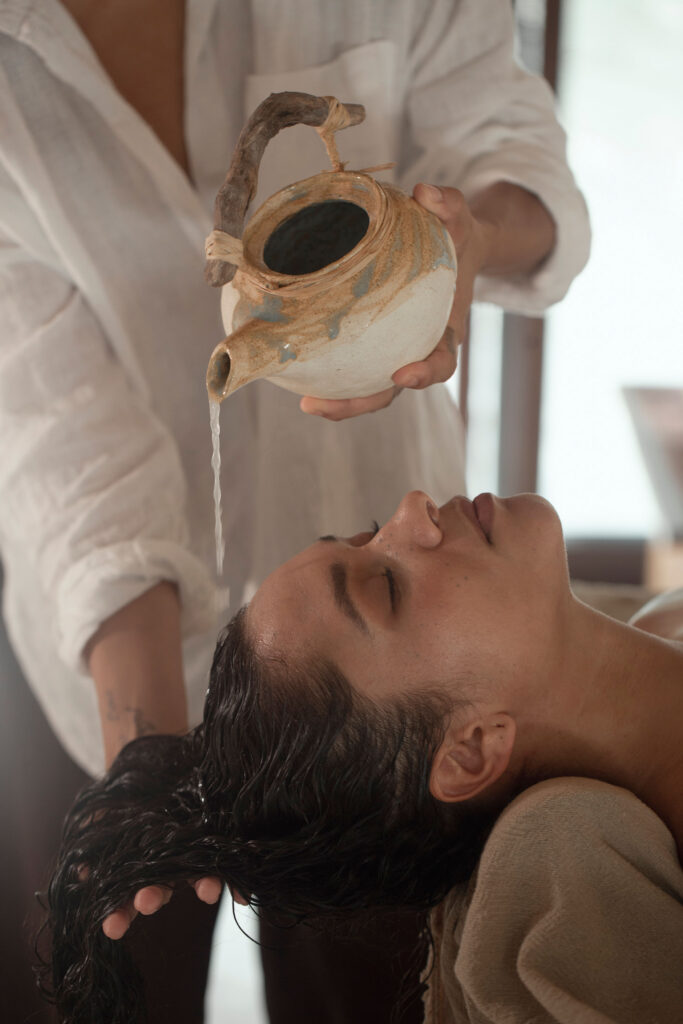


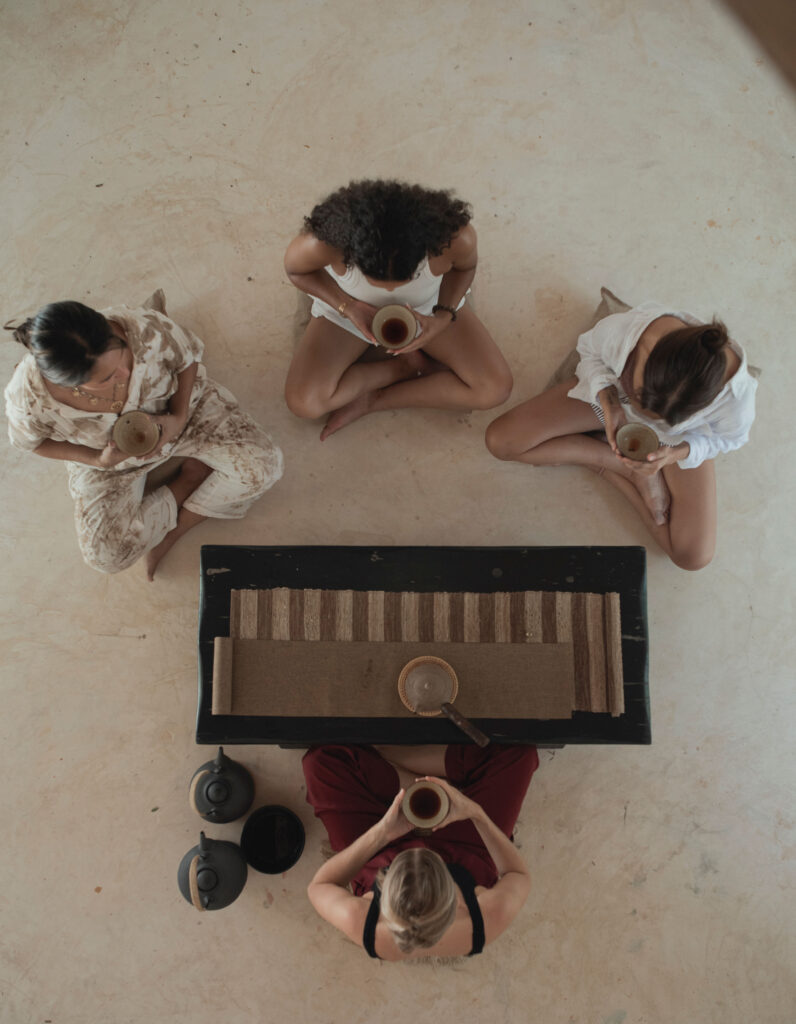


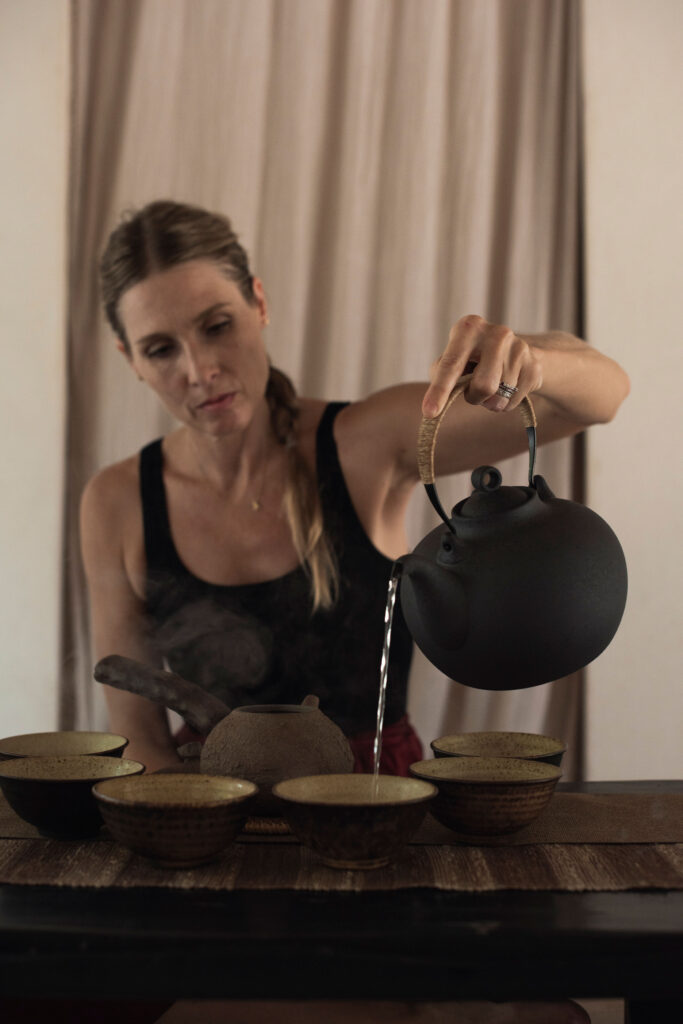

On July 4, 2025, WWH produced a staged promotional photoshoot for The Art of Water. Effective creative direction connects a brand’s strategic identity with the visual and sensory choices that bring it to life. For The Art of Water, this meant developing a creative approach that could communicate the atmosphere, symbolism, and emotional character of the experience before guests ever arrived. The production involved creative direction, shot planning, practitioner coordination, talent sourcing, and photographer recruitment.
WWH coordinated with Karen, Imagen, and Jessica, sourced model Anastasia from California, and hired photographer Fantini.
This was a dedicated promotional production, designed to create imagery that could communicate the atmosphere and experience of the upcoming event. It was separate from the live event itself.
The Art of Water: Bringing the experience to life
On August 21, 2025, The Art of Water moved into a live setting. WWH supported the production through event scheduling, coordination of demonstration models, collaboration with Najil Chak’s sourced photography and video team, and on-site production management.
The work also included an audiovisual studio installation featuring a three-dimensional fabric backdrop and music. Additional elements included a tarot reader, pearl jewelry and hat presentations, live performance, and the evening Art of Supper environment.
Each component contributed to the larger experiential setting. And that’s where the relationship between brand strategy and experience design becomes particularly interesting. A brand’s identity isn’t communicated only through the things it says.
It is also communicated through the choices it makes about what people encounter.
- What is included.
- What is emphasized.
- How the experience unfolds.
- Which collaborators are invited into the space.
- How the environment feels.
Those decisions influence the meaning people attach to the brand. This is how brand culture becomes tangible. Every decision, from the collaborators invited into a space to the atmosphere guests encounter, communicates something about what a business values. In experiential hospitality, those choices become part of the brand itself, shaping what people feel, remember, and associate with the destination. For Najil Chak, the Wabi Sabi work illustrated how its creative and cultural ambitions could begin taking shape through programming, production, and physical experience.
The brand was no longer being communicated only through marketing. It was being expressed through the experience itself.
Phase 6: Building Capacity Beyond the Strategist
A strategy can be well developed and still become difficult to sustain. Especially when the people responsible for executing it are also managing the day-to-day demands of a growing business. That was an important consideration throughout the Najil Chak engagement.
The founders weren’t simply receiving new positioning and marketing recommendations. They were also inheriting a more complex collection of business opportunities, audiences, channels, and recurring decisions.
Without practical systems, that complexity could become another source of operational pressure. Sustainable hospitality branding depends on more than a strong strategic direction; it also requires the internal capability to carry that direction into everyday decisions.
Making the work usable
Throughout the engagement, WWH developed organized deliverable directories, planning templates, recorded tutorials, and reusable workflows. Training covered website improvements, SEO, editorial development, email marketing, audience segmentation, social content, and AI-assisted content creation. We also provided hands-on support during working sessions, including Mailchimp contact organization and segmentation.
The purpose was to make the strategic work easier to understand, revisit, and continue using. Not every recommendation or campaign component had been fully implemented by the conclusion of the engagement. And that distinction matters.
Creating a strategy is not the same as completing every downstream action it makes possible. Our responsibility was to develop the agreed-upon work, support the areas of implementation within our scope, and provide the team with resources to continue.
During the November offboarding conversation, Karen described progress across several marketing channels and expressed greater confidence in carrying the work forward. That feedback pointed to an important outcome of the engagement.
Najil Chak wasn’t simply leaving with a collection of documents. It had a more organized body of strategic and marketing resources, along with practical guidance for using them. Because the value of a strategy shouldn’t depend on the strategist remaining in the room.
The work needs to become useful in the hands of the people building the business.
The Strategic Shift: From Hospitality Property to Experience-Led Brand
The challenge wasn’t simply to develop more hospitality branding materials. It was to establish a stronger relationship between the business model, its positioning, and the experiences it could credibly deliver.
Before the engagement, the property already had a distinctive identity, established hospitality offerings, and founders with an ambitious creative vision.
Through the engagement, WWH helped organize that vision into clearer business pillars, develop differentiated audience communication, create commercial resources, establish marketing frameworks, and support experiential initiatives.
The shift can be understood through several connected movements:
- Property-Led Offering → Multi-Pillar Hospitality Brand
A clearer relationship between private stays, weddings and events, and retreats and experiences.
- Venue Availability → Differentiated Experience Offerings
A more developed commercial story around culinary retreats, cultural programming, and hosted experiences.
- General Audience Communication → Audience-Specific Positioning
Different messaging and sales resources for guests, facilitators, and collaborators.
- Disconnected Marketing Activity → More Structured Marketing Systems
Editorial planning, email segmentation, social strategy, and reusable workflows designed to work toward shared priorities.
- Brand Expression → Lived Brand Experience
Creative production and experiential programming that extended the brand beyond digital communications. These weren’t claims that Najil Chak had completed every stage of its intended evolution. They were strategic directions supported by work developed during the engagement.
And together, they created a clearer foundation for the next decisions the founders would make.
Hospitality Branding Results: What the Engagement Established
The Najil Chak engagement produced documented strategic, commercial, marketing, and experiential work across multiple areas of the business.
Among the completed outputs were:
- 3 Core Business Pillars
A strategic framework organizing the residence, weddings and events, and retreats and experiences.
- 2 Designed Retreat Sales Presentations
Distinct commercial narratives developed for culinary retreat audiences and retreat facilitators.
- 7 Editorial Categories
A structured content framework supporting Najil Chak’s blog and longer-term content development.
- 13 Documented Wabi Sabi Campaign Deliverables
A collection of creative and marketing resources recorded in the campaign handoff directory.
The engagement also included website strategy and SEO recommendations, email marketing resources, social media planning, promotional photoshoot production, live event coordination, and practical team training.
What This Hospitality Branding Case Study Demonstrates
The Najil Chak project illustrates a challenge that extends well beyond hospitality.
Sometimes the business evolves faster than the structure supporting its brand.
- New offers emerge.
- New audiences become relevant.
- The founder’s vision expands.
- And the original way of presenting, marketing, and organizing the business no longer fully reflects what it’s becoming.
At that point, adding more marketing isn’t necessarily the answer. Neither is automatically creating a new visual identity.
The more important work may be determining how the business’s different opportunities relate to one another and what the brand needs to represent as those opportunities develop.
For experience-led businesses, that question becomes particularly significant. Because the brand has to hold more than a product or service. It has to connect the business model, the promise, the audience, and the experience itself.
A beautiful property can create interest. A compelling event can create a memorable moment. A well-designed campaign can introduce an offering. But without a coherent strategy connecting those elements, each can remain an isolated expression of the business.
The opportunity is to make them part of something larger.
That’s what made the Najil Chak engagement strategically interesting. It wasn’t simply about promoting an art residence in Tulum. It was about developing the structure through which that residence could begin representing a broader world of experiences, relationships, and commercial opportunities.
Client Testimonial
“What a great opportunity to be able to work along Tristan and her beloved project Wild Woman Haus! Our family brand needed some structure and sales strategy and she was extremely helpful! Her deliverables were always on point to what we needed as she takes really good time to study each brand and make sure her work is completely personalized! I cannot recommend WWH [and] Tristan enough, always on point, loyal, professional, smart and humanized!“
Karen Gutierrez & Frankie Wall
Owners & Founders, Najil Chak Tulum Art Residence
Is Your Business Becoming Bigger Than the Brand Built to Hold It?
Growth doesn’t always look like opening another location, hiring a larger team, or selling more of the same thing.
Sometimes it looks like realizing the business you’re building has more potential than the structure you’ve been using to communicate it.
Your offerings have expanded. Your audience has changed. Your vision has become more ambitious. And the brand that once made perfect sense no longer explains the full picture.
You may not need to start over. You may need a stronger strategy for what comes next.
At Wild Woman Haus®, I work with founders and businesses to clarify their positioning, organize their evolving offerings, and develop brand strategies that connect vision with commercial reality. Not just so the brand looks or sounds more cohesive. But so the decisions behind it become more intentional.
If you’re building something that’s outgrowing its original definition, I’d love to hear what you’re creating.
Book a Discovery Call with Tristan Thibodeau
Meet the Strategist Behind the Work

Tristan Thibodeau – Brand Strategist
Founder of Wild Woman Haus®, Tristan specializes in strategic brand development for wellness, beauty, and health entrepreneurs. She helps brands clarify their positioning, refine their messaging, and create sustainable growth strategies. She also hosts The Wild Woman Hotline podcast, featuring expert-level conversations on brand strategy.

